
In-depth review of our Bespoke order experience
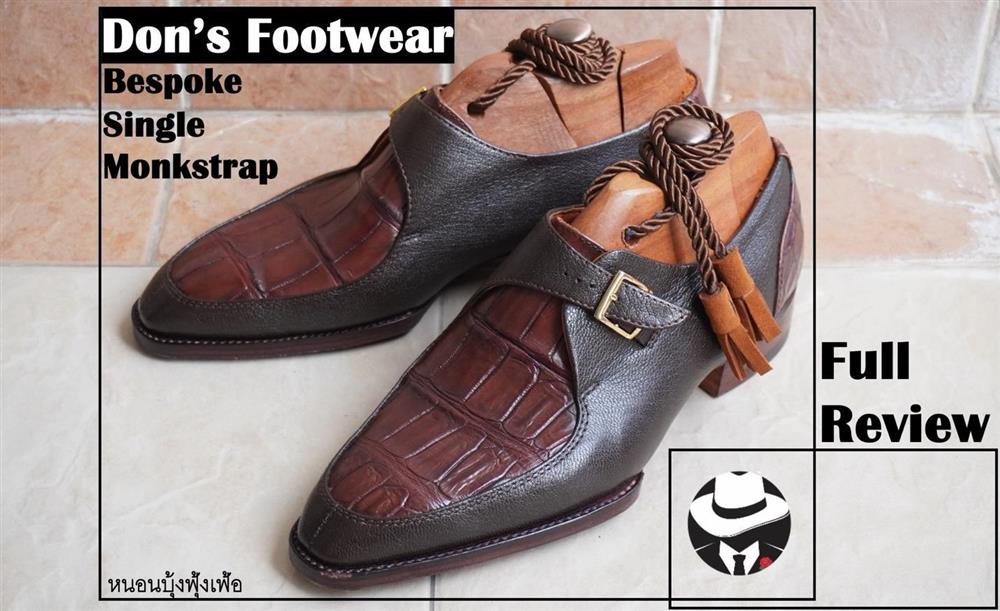
When talking about the pinnacle of leather shoes, it is impossible to avoid the word Bespoke.
Bespoke, or “Be Spoken For,” conveys the idea that an item (or materials such as fabric or leather) in a tailor’s or shoemaker’s workshop has already been reserved - specifically to be crafted for a single wearer. This means that every detail can be chosen by the customer, and of course, the shape and proportions of the garment or shoe are made exclusively for that individual.
In fact, before the Industrial Revolution of the 19th century, nearly all leather shoes were bespoke. Most men in those days did not own many pairs of shoes, and every pair was made strictly for practical use. The process began with the creation of a last - a shoe form based on the actual anatomy of the wearer’s foot - followed by design and construction through the experience and skills of the shoemaker. Naturally, each pair was neither cheap nor a luxury item; rather, it reflected a production process driven purely by craftsmanship and the wearer’s needs.
As industrial shoemaking gained prominence, last development shifted toward mass production - aiming for volume and a fit that was “good enough” for most people, but not “the best” for anyone in particular. Craftsmanship gradually gave way to machinery, and leather shoes became mass-produced goods across many price points, quality levels, and designs. Traditional bespoke shoes slowly faded from public awareness.
In truth, bespoke shoes sit near the bottom of the hierarchy of men’s attire necessities. The best possible shoe fit is not as aesthetically or sensorially critical as the fit of a bespoke suit. If one already finds a last that is comfortable and suits their foot well, creating a bespoke last may not be strictly necessary. Even many prominent menswear writers, influencers, and respected shoe experts agree that bespoke shoes are less essential than a bespoke suit.
That said, as someone who truly loves leather shoes, the idea of bespoke footwear is something I often think about. In terms of ultimate traditional shoemaking, nothing surpasses bespoke - except for the time and cost involved! It is a desire that demands significant effort, money, and patience, especially since most bespoke shoemakers are foreigners with workshops located abroad.
That was until I came to know Don’s Footwear Bespoke and Allen Donnelly, a Scottish lastmaker with a Thai heart.
Discovering Don’s Footwear
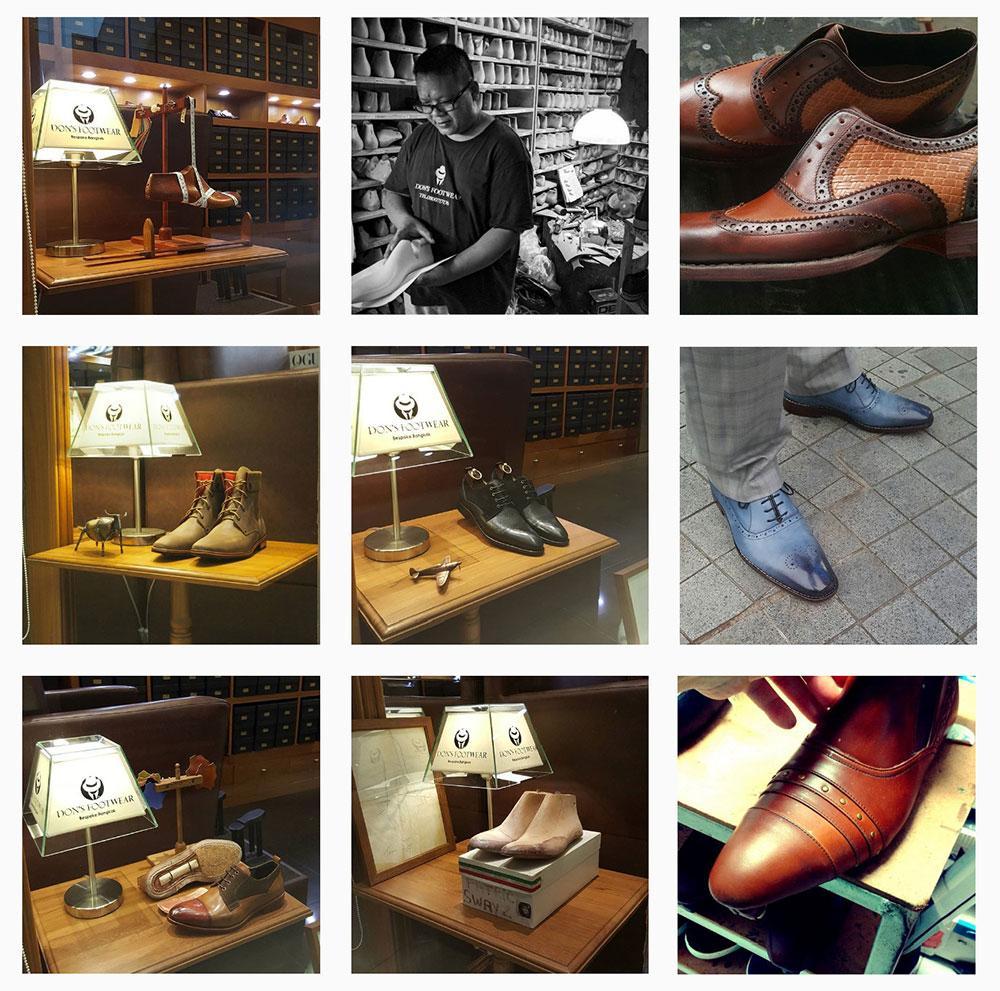
I still remember clearly the first time I saw Don’s Footwear around 2015–2016, during the pioneering days of Thailand’s classic menswear scene. Their showroom was located at Mahanakhon Cube, which I passed in the evening after work during my corporate days. The shop had a New York–lounge atmosphere, and, at a time when good leather shoes in Thailand were as rare as transparency in the country’s democratic system, it was very inviting. Unfortunately, the shop was closed that day, and I didn’t get the chance to learn more about the brand.
Perhaps it was fate, or simply the small world of Thailand’s shoe community, that brought me back to Don’s Bespoke later, through reviews by Khun Da of Shineable and Justin’s The Shoe Snob blog. I learned that the brand had begun making true bespoke shoes with genuine bespoke lasts. That was when my hope of owning a bespoke pair was reignited.
I must admit, at first I was quite skeptical. Could the brand truly make bespoke lasts? Would the quality be good? Lastmaking is no easy task, it is practically its own discipline of art. A lastmaker must deeply understand shoe construction, foot anatomy, foot shapes, measurement techniques, the balance between comfort and support, and even allow for how the foot changes throughout the day.
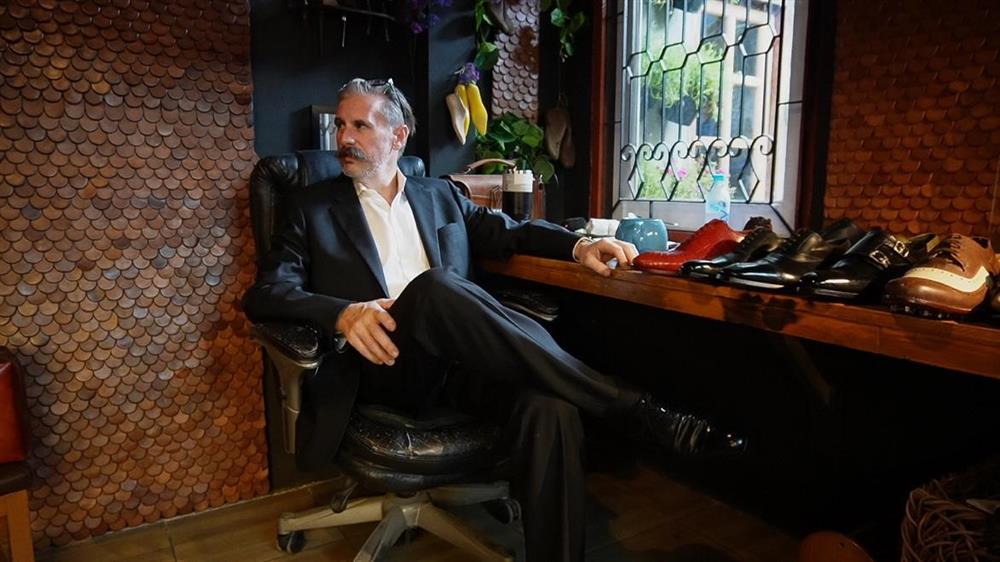
But my first meeting with Allen Donnelly nearly two years ago dispelled many of my doubts.
Allen Donnelly is Scottish by birth. He was originally an engineer before falling in love with shoes. He founded Don’s Footwear in 2009 and later settled in Thailand. The brand initially focused on RTW and MTO elevator shoes, height-increasing shoes designed to look like normal footwear, and gradually expanded into various styles.
By the mid-2010s, Allen told himself, “If I want to make the best shoes, I have to do it myself.” He traveled extensively to learn from master shoemakers and lastmakers. In 2017, he studied lastmaking with a legendary lastmaker from John Lobb St. James, learned pattern-making from senior Asian craftsmen, and studied pegged-waist construction with the late Swedish master Janne Melkersson.
Combined with his design instincts and willingness to experiment, Allen went on to place 5th in the world at an international shoemaking competition in 2025, a remarkable achievement given the extremely high standards of the top 10.
Today, Allen is well known among global shoe bloggers and influencers, on a first-name basis with many legendary bespoke shoemakers. He owns his own RTW/MTO factory, a bespoke workshop with high-level lastmaking know-how, and also runs The Last Shoemaker, one of the world’s first brands specializing in bespoke barefoot shoes designed around natural foot anatomy.
Inside the Workshop
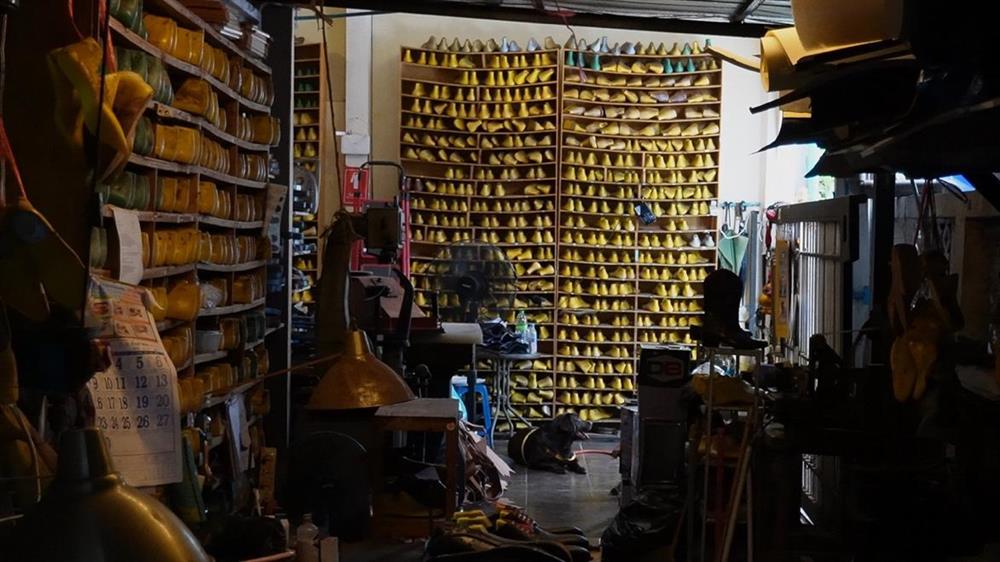
Don’s Footwear factory is filled with rows upon rows of shoe lasts.
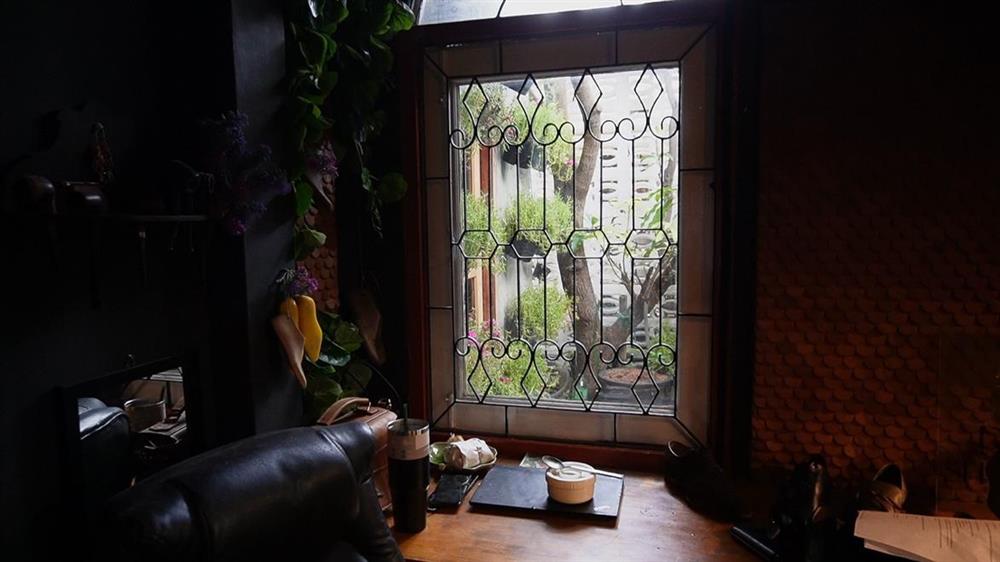
Allen’s work table.
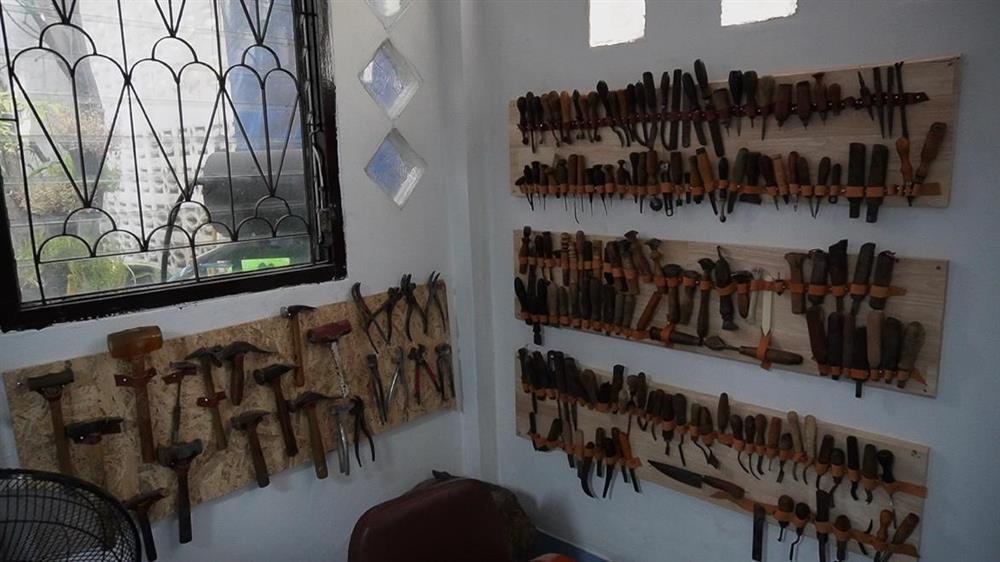
Surrounded by tools of the trade.
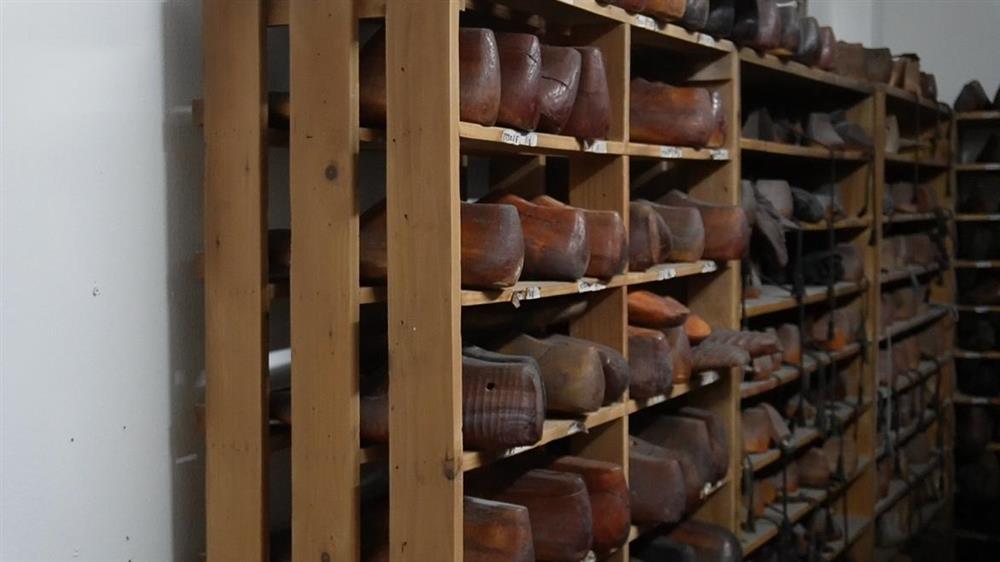
Rough-turned lasts and finished bespoke lasts sit side by side.
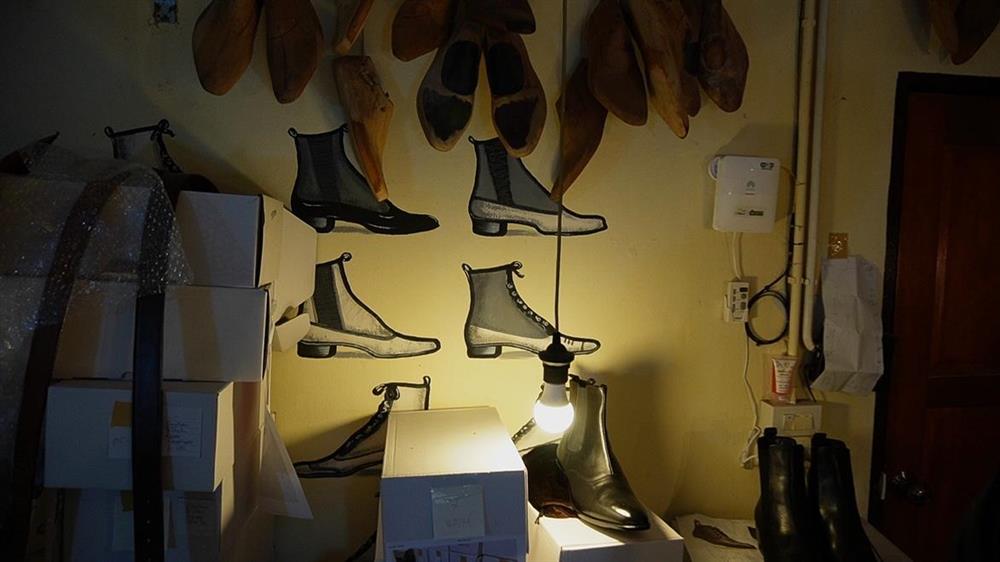
Stepping into Allen’s workshop feels like entering another world, one dominated by shoes, leather, lasts, and tools.
The Bespoke Process
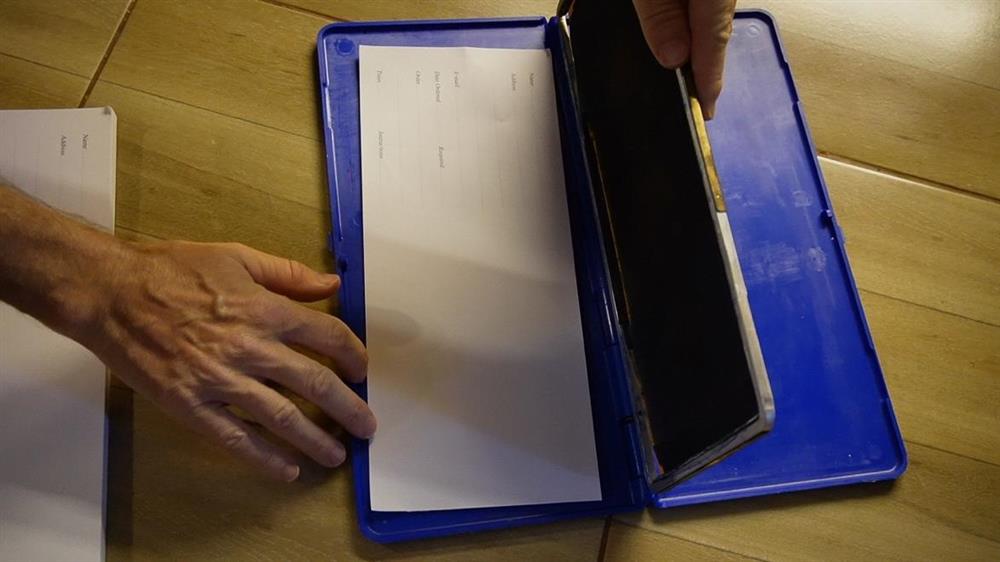
We began with foot measurements. Allen uses traditional methods: tape measures, ink, pens, and several specialized tools to measure 6–7 points on the foot, as well as foot height, instep, heel, and any irregularities. The goal is to create a last that hugs the foot as perfectly as possible.
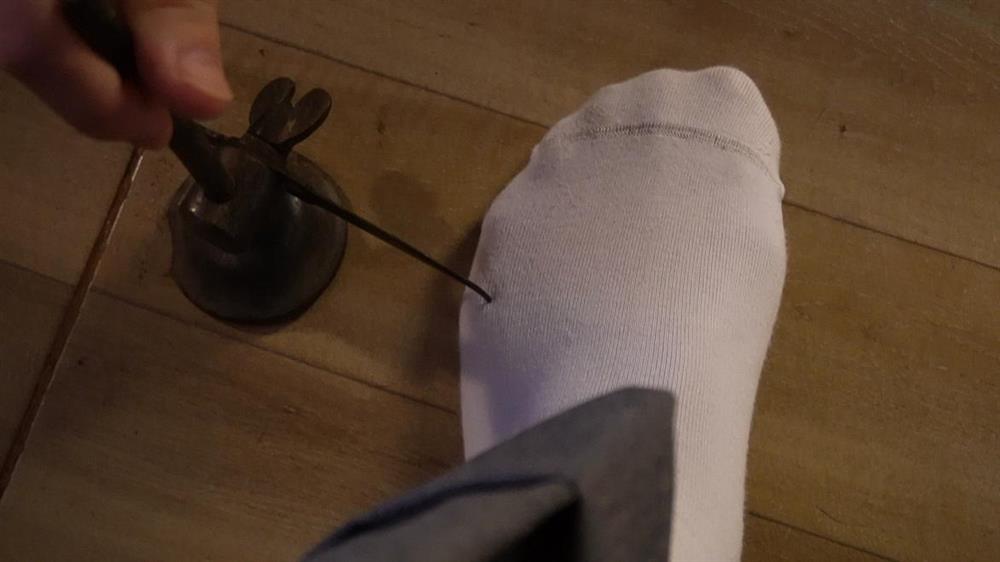
Tool for measuring height of the foot.
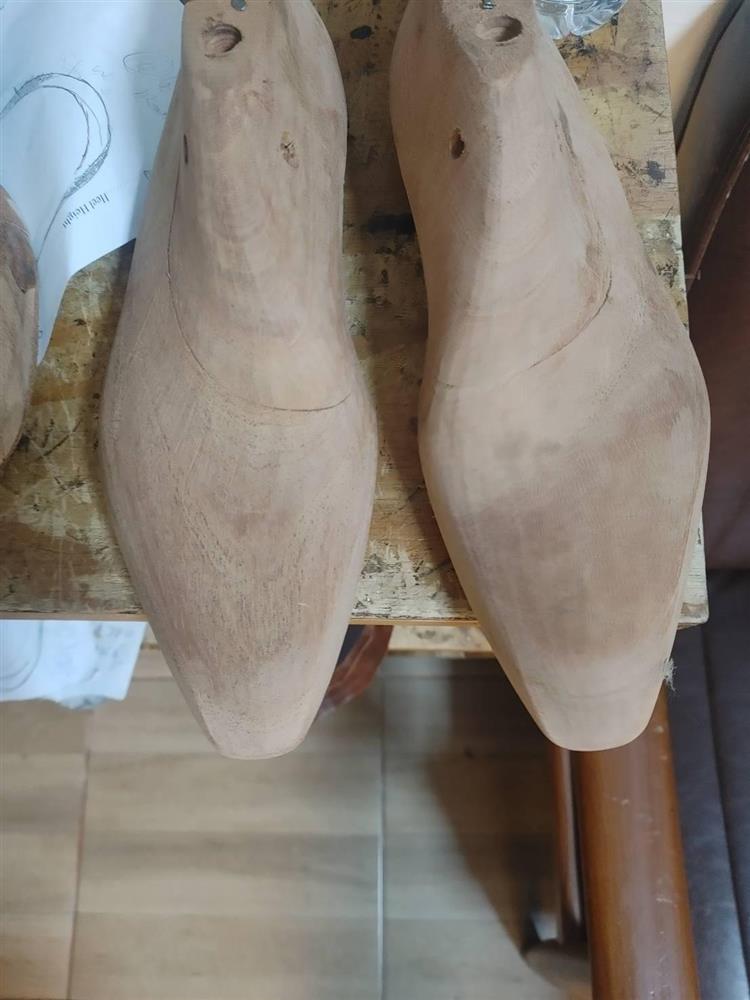
After measurements comes traditional hand lastmaking, no different from creating a piece of sculpture. Beyond translating foot dimensions into a three-dimensional wooden form, the lastmaker must also incorporate artistic design: toe shape, balance between forefoot and heel, and the equilibrium between aesthetics and comfort.
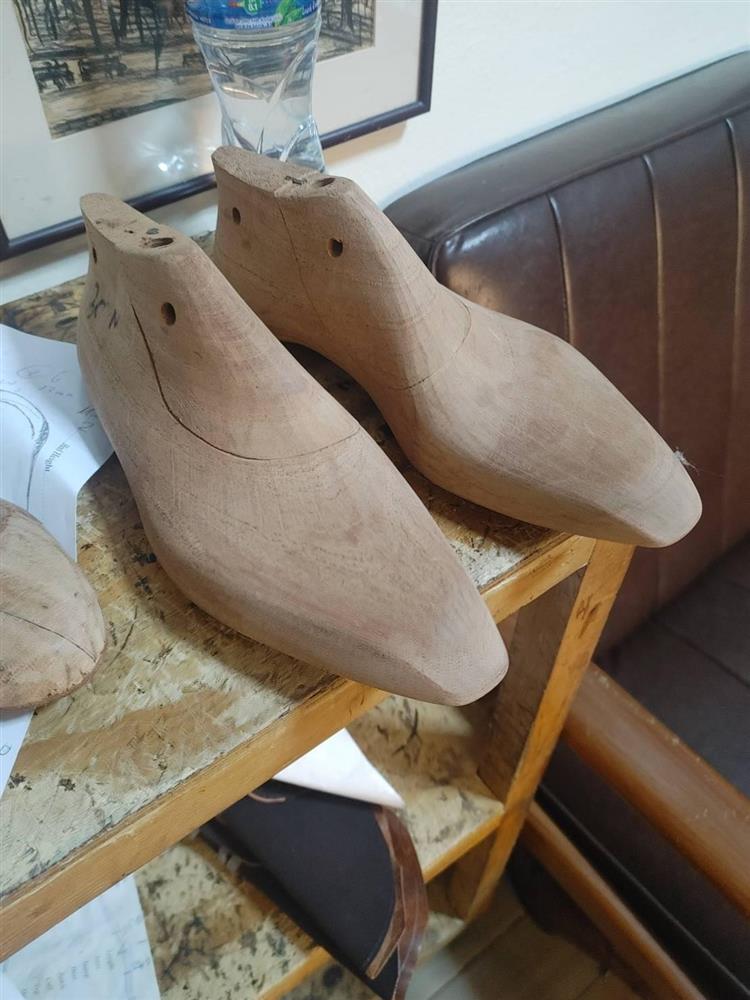
I was genuinely excited when I first saw my last, featuring a sharp chisel toe.
Fitting and Design
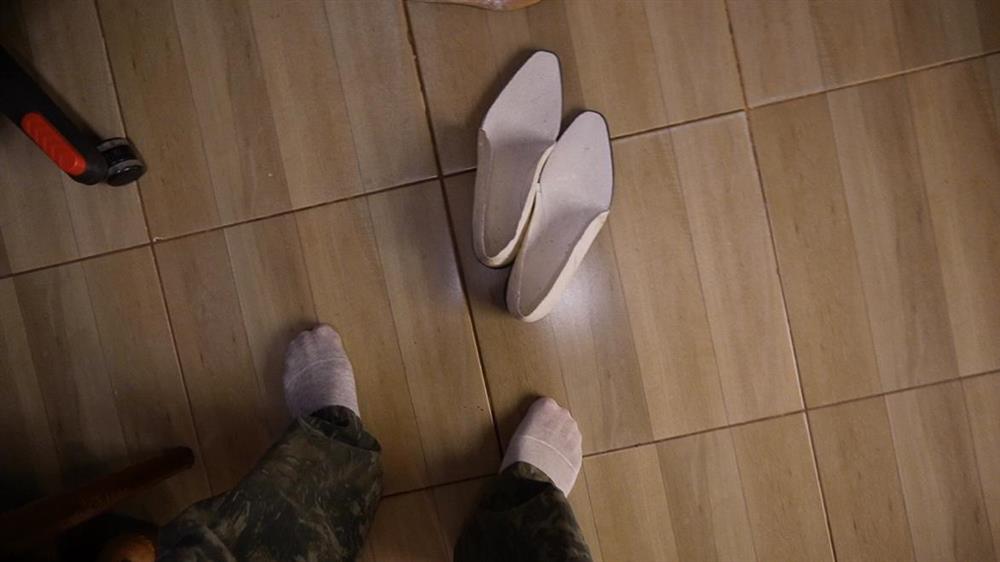
Once the last was completed (a process taking about 1–3 months), we moved on to the first fitting. Allen devised an innovative fitting tool: a molded plastic heel section shaped from the last.
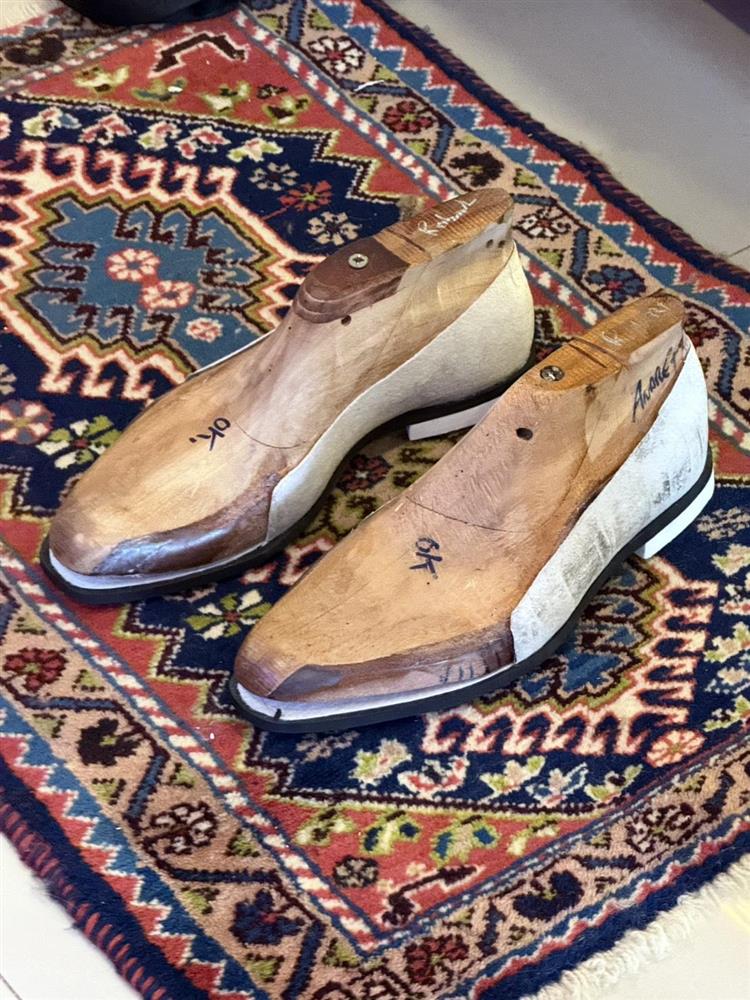
Not a trial shoe, but a fitting aid to assess last accuracy.
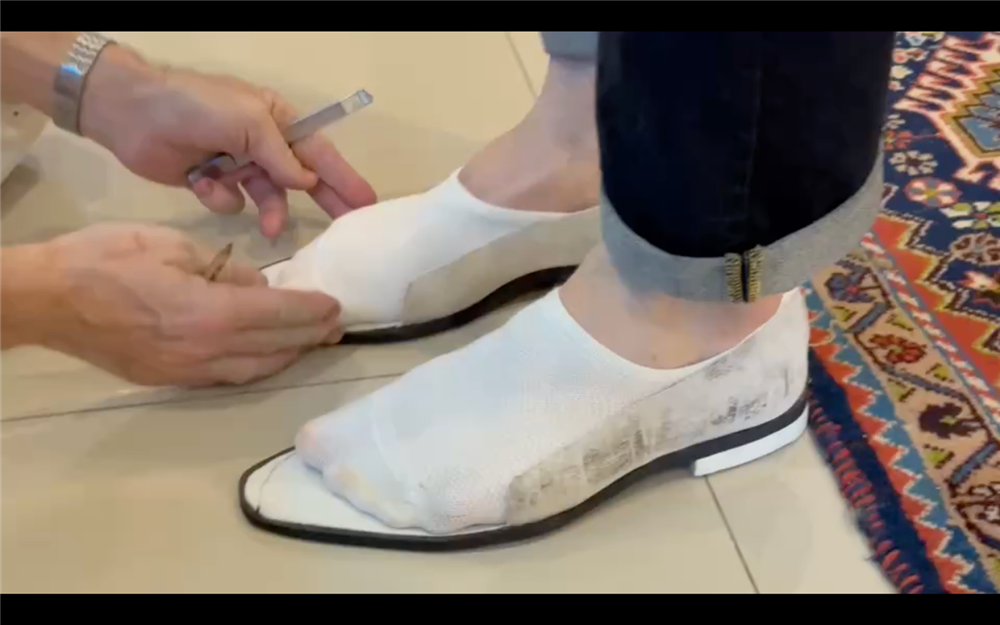
Assessing the fit.
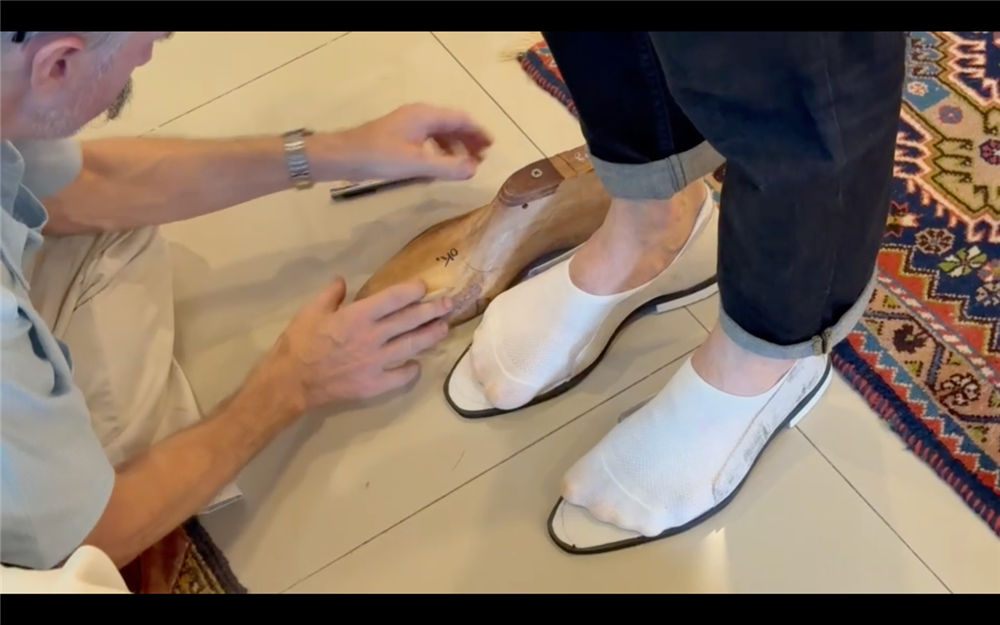
Comparing fit with the Last for adjustment.
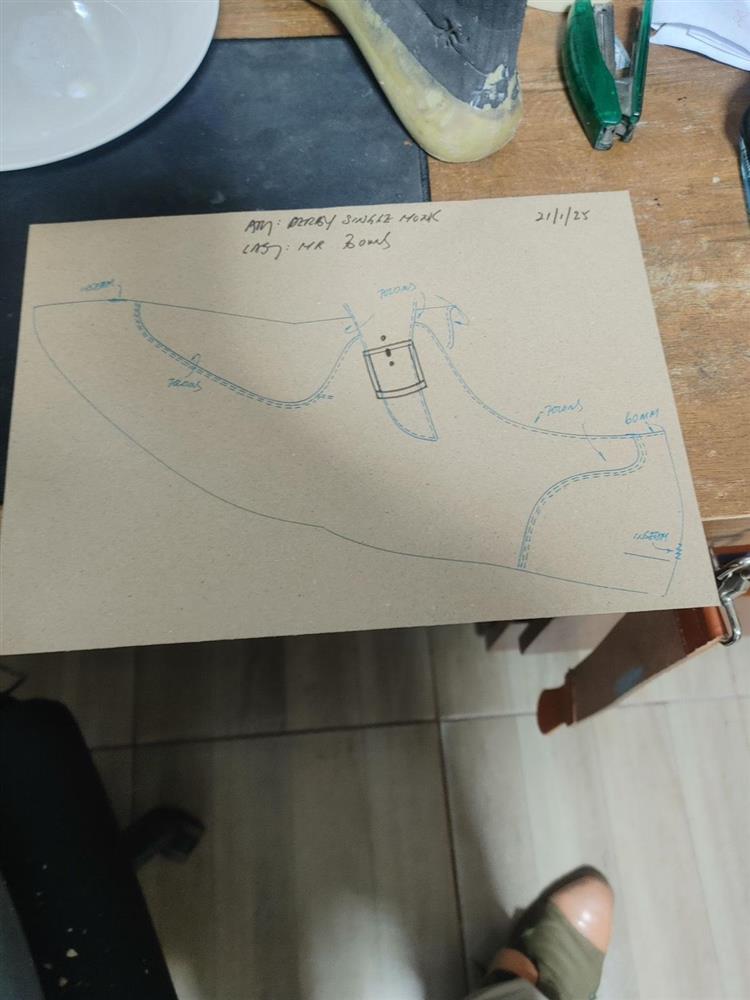
After confirming the fit, we moved on to upper design. One of the greatest advantages of bespoke shoes is being involved from the very beginning, though it also requires understanding the designer’s character. Successful bespoke shoes result from the perfect combination between the shoemaker’s skill, experience, design sense, and the client’s desires. I chose a single monkstrap, which I felt suited the last perfectly.
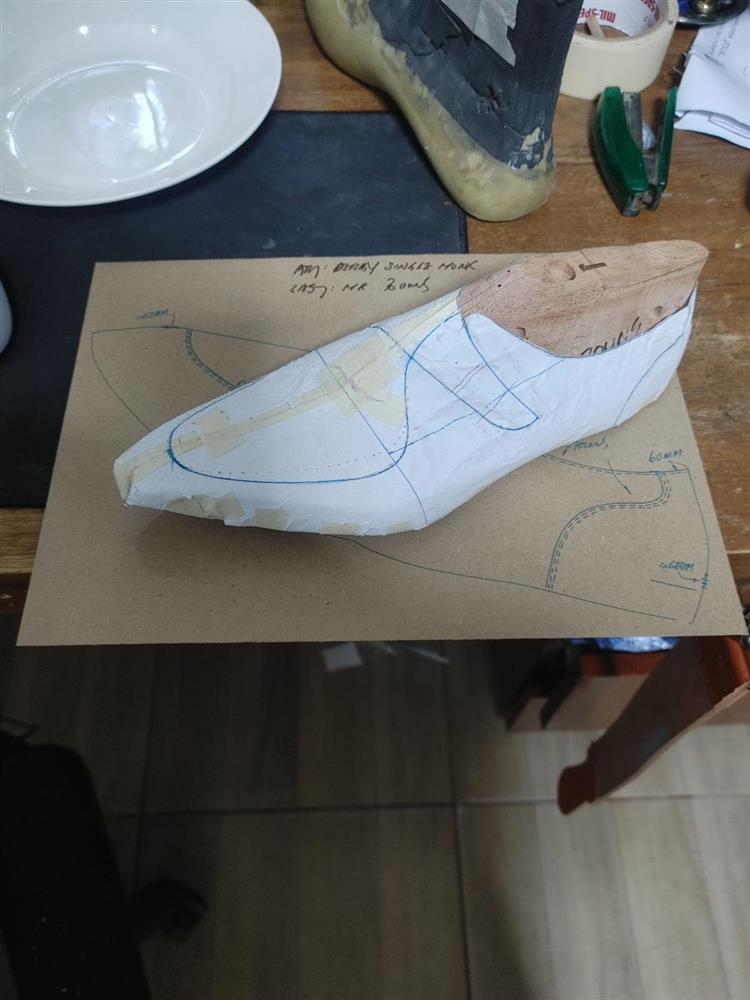
The bespoke pattern was drawn directly onto the last, then converted into cutting patterns, entirely new since it was a bespoke last.
Trial Shoes
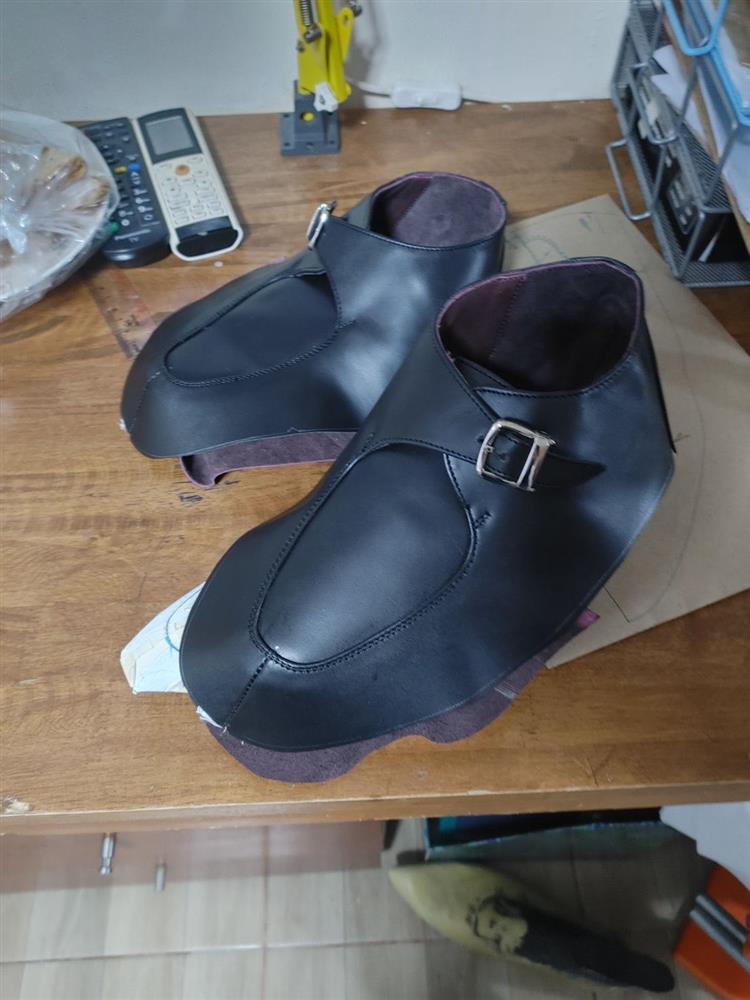
Next came the trial shoes, created to evaluate real-world fit. Though this step can be skipped, I wanted the full experience.
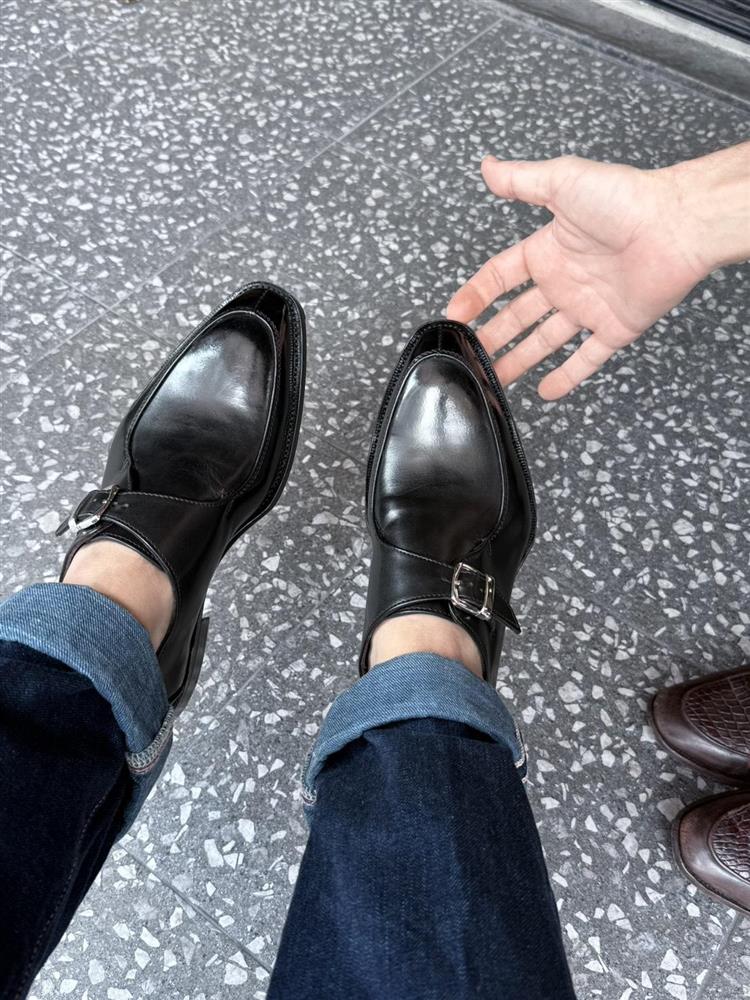
The trial shoes fit very well. Though materials and finishing were basic, since they also served as training work for apprentices, the shoes were fully wearable, featuring a closed channel sole and hand-welted construction.
On foot, the arch support was exceptional, the heel snug, though the cut was very close, requiring thin dress socks, as intended for a dress shoe.
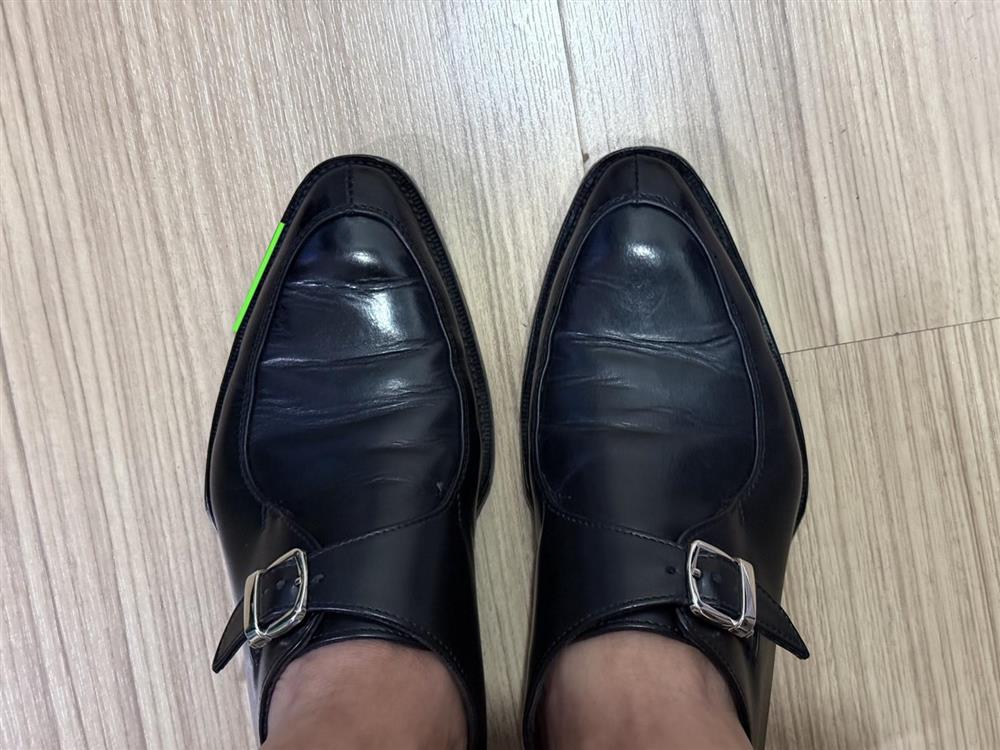
A minor pinch on my left foot near the middle toe was corrected, and the last was refined into its final form.
The Final Bespoke Last
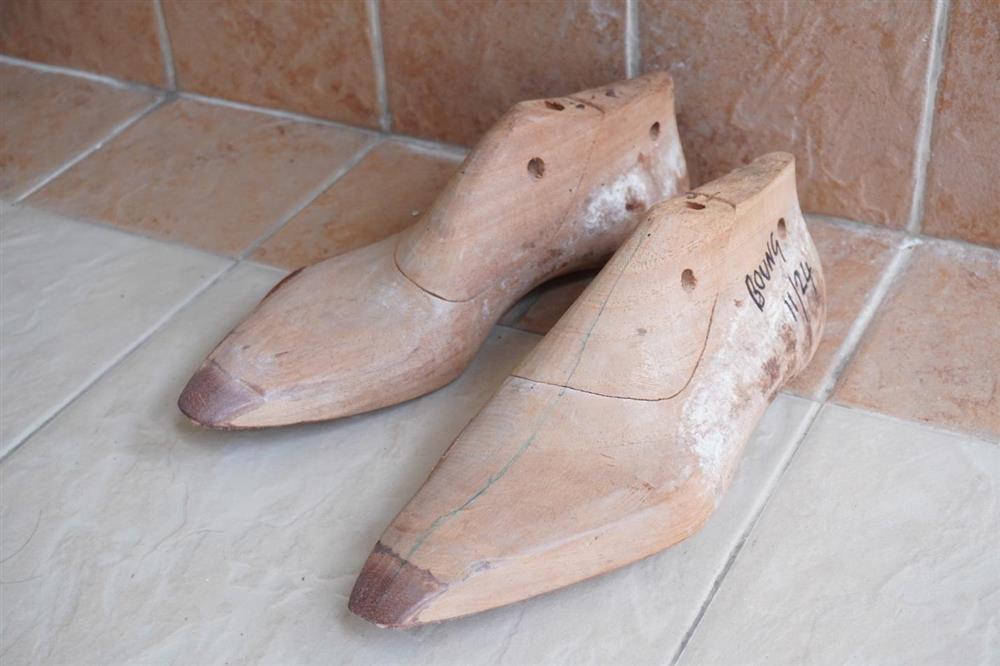
The completed bespoke last featured:
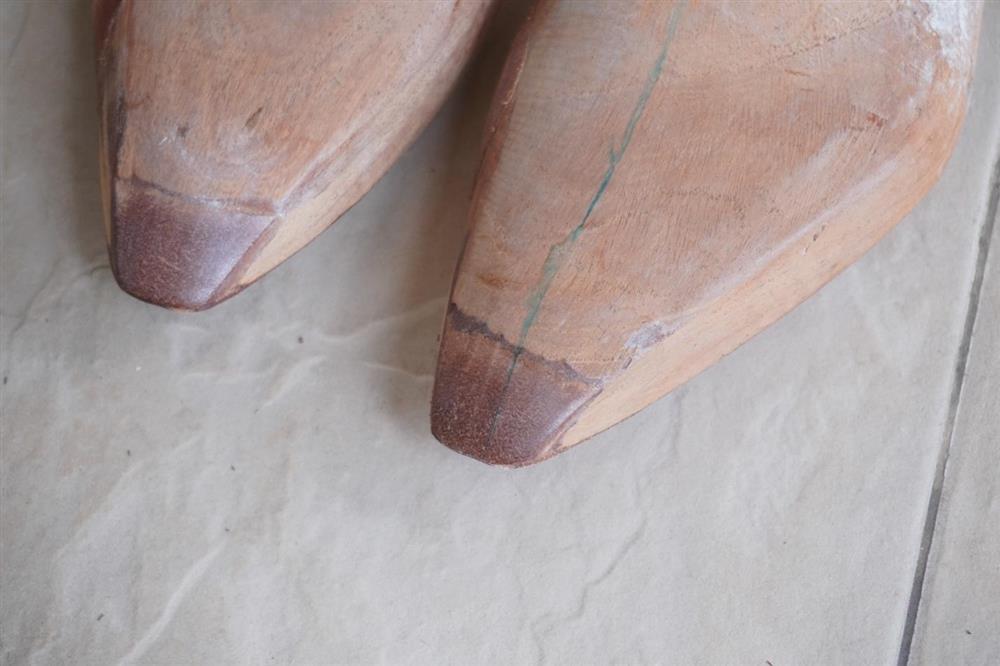
A sharp chisel toe
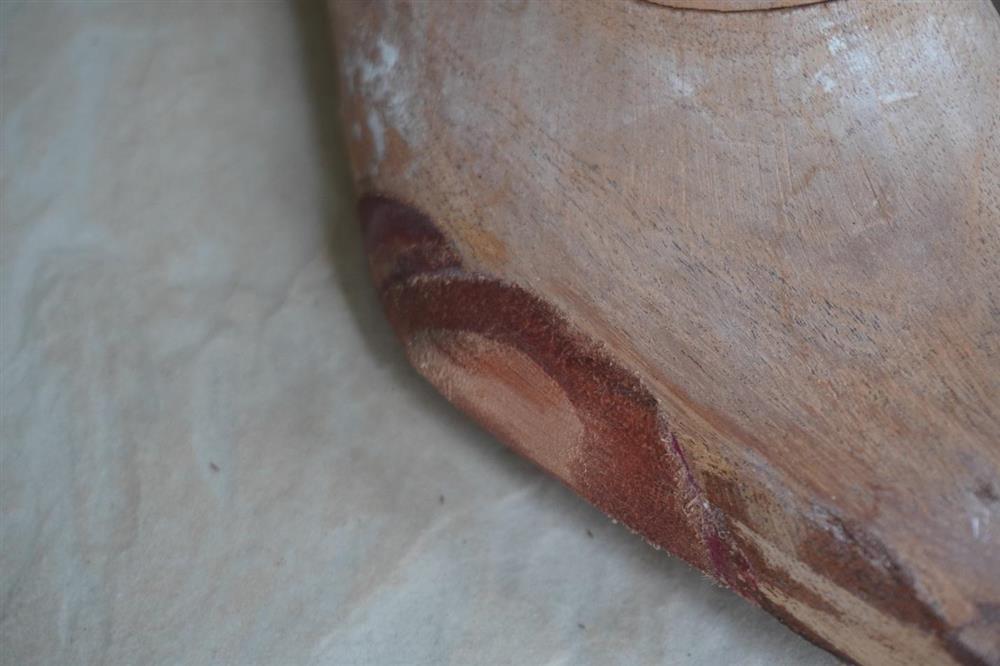
Added leather adjustments based on feedback
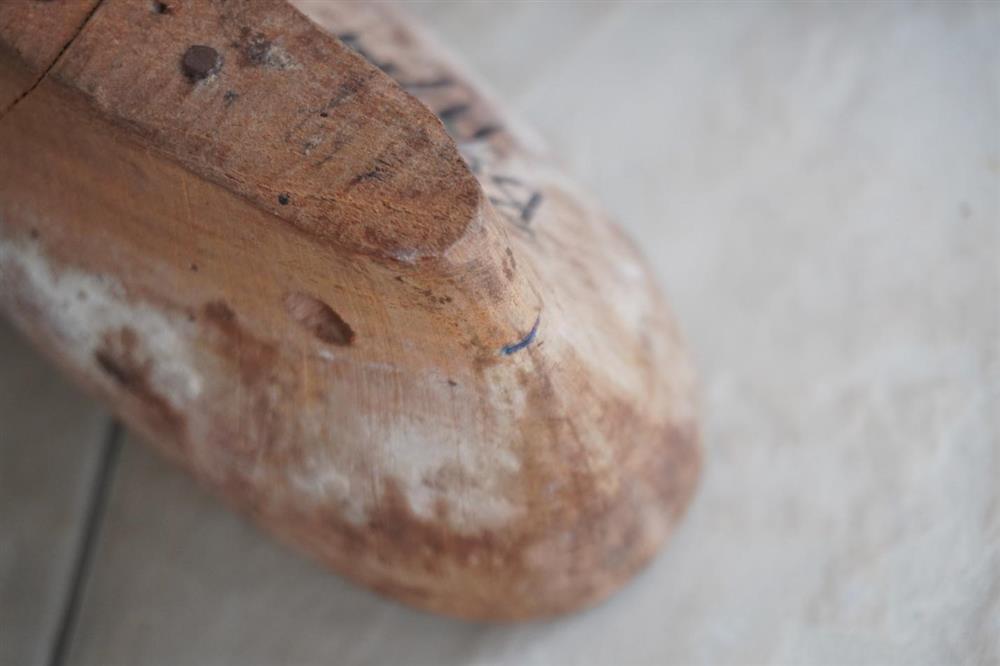
A narrow heel
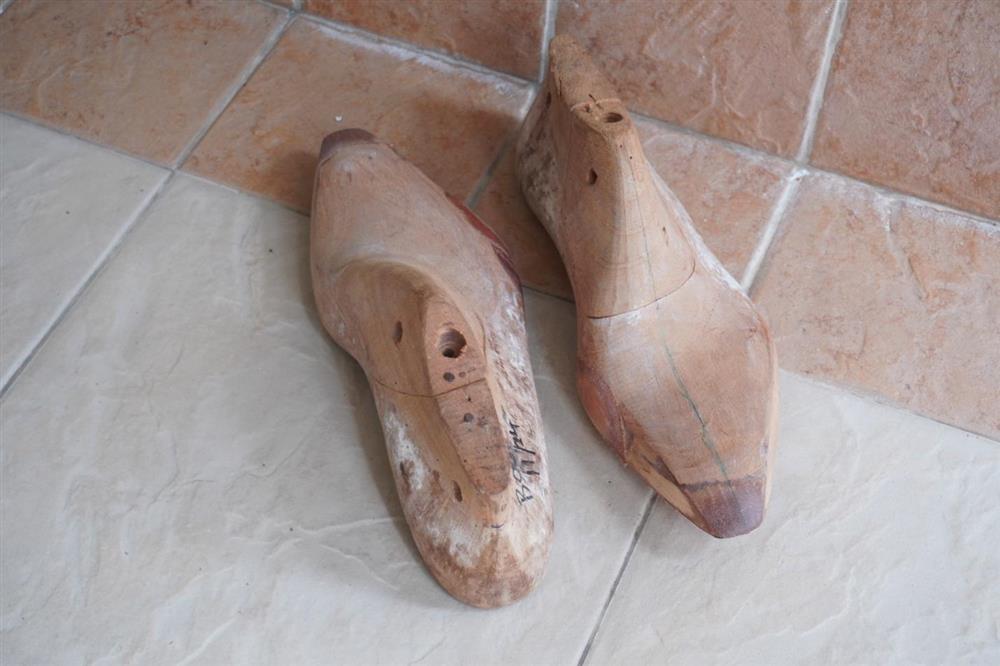
Strong curves with substantial arch support
The Finished Shoes
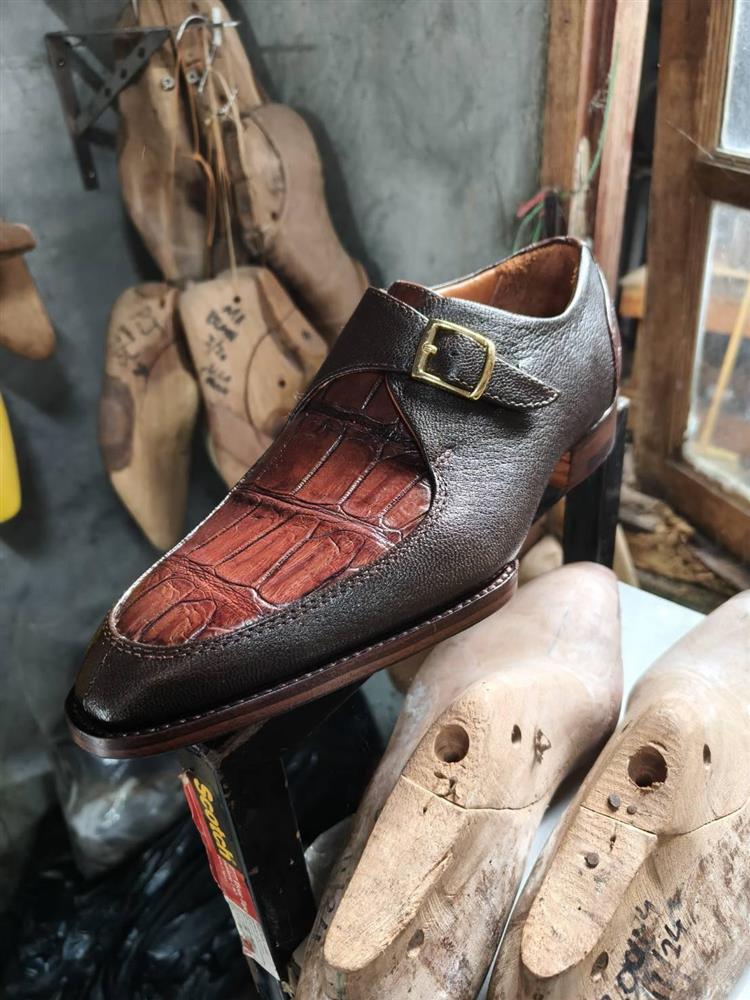
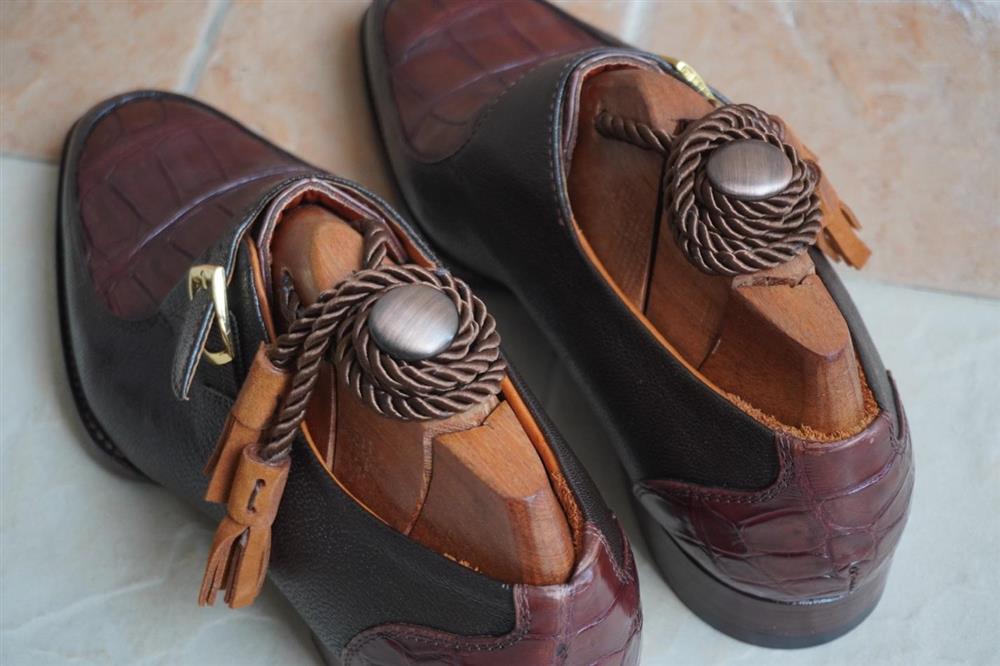
For the final pair, Allen chose goat leather and crocodile leather, a choice I was secretly thrilled about.
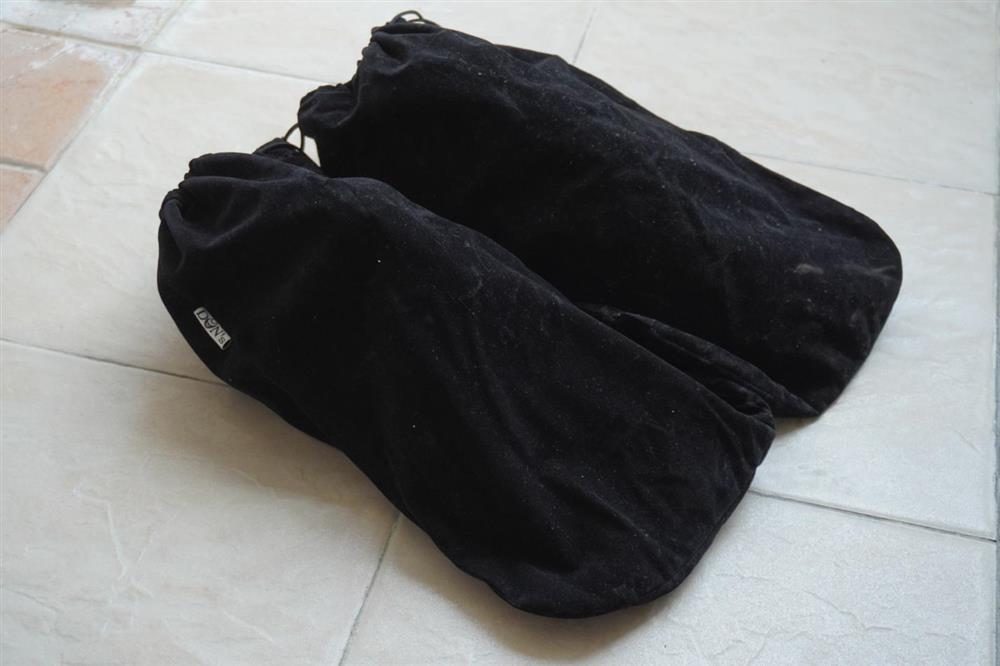
The finished shoes arrived in a black velvet bag.
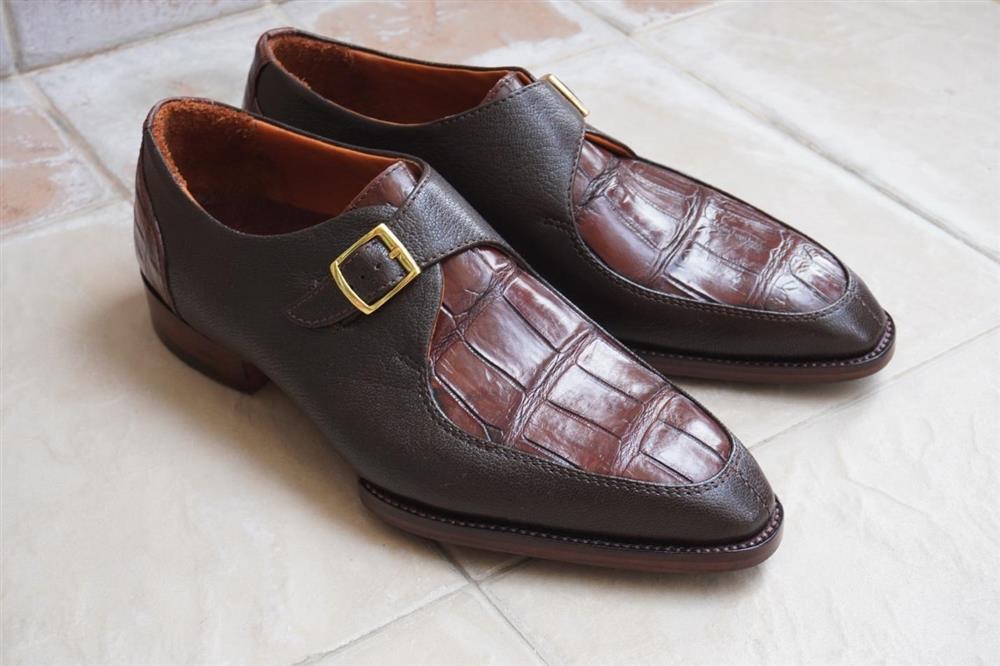
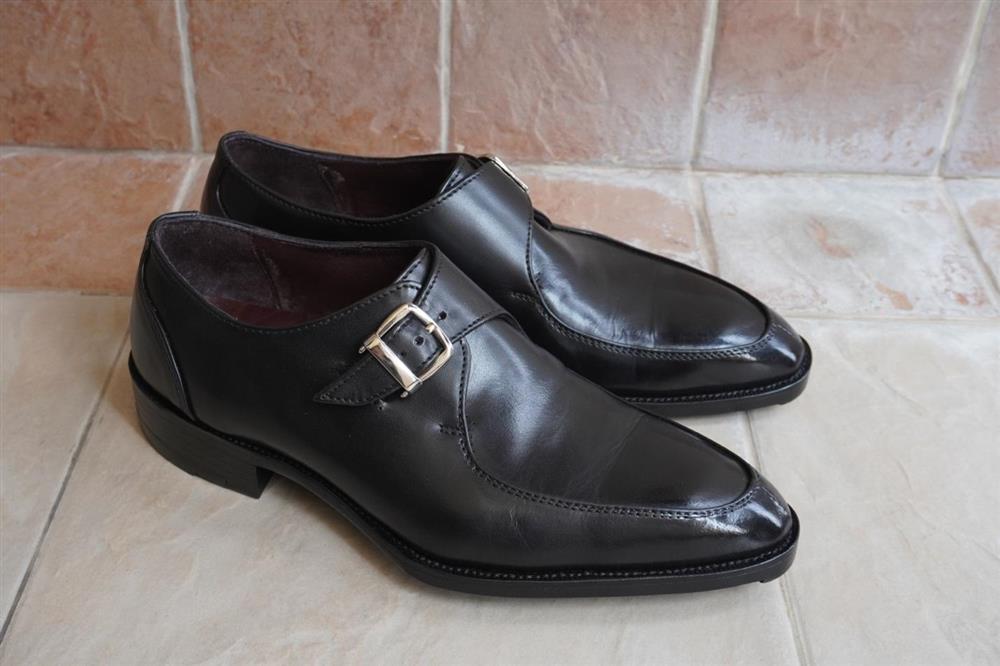
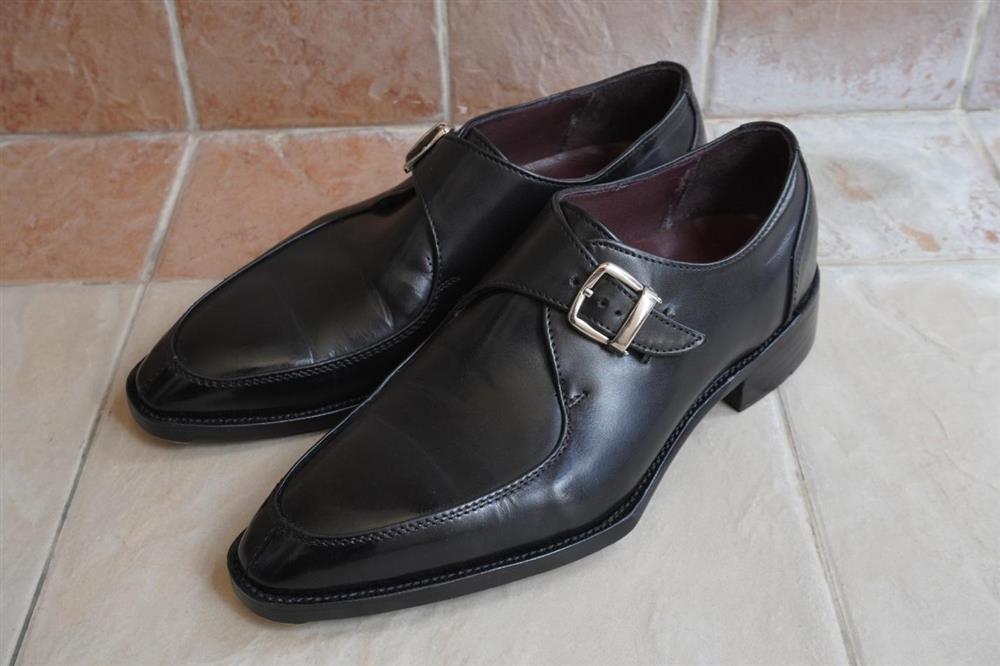
Here they are!
Ordering bespoke shoes is very different from buying off the shelf. It requires patience and trust in the craftsman. But when everything comes together, the result can be spellbinding, like this single monkstrap, blending boldness with elegant flowing lines.
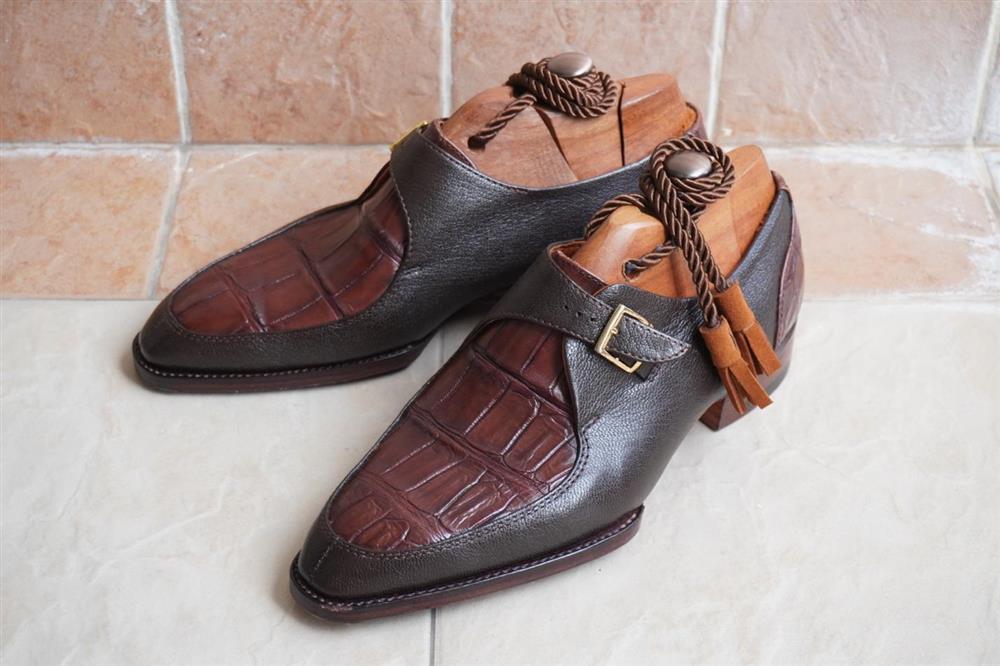
I also ordered a three-piece lasted shoe tree, made from the same bespoke last, ensuring a perfect fit and long-term shape retention.
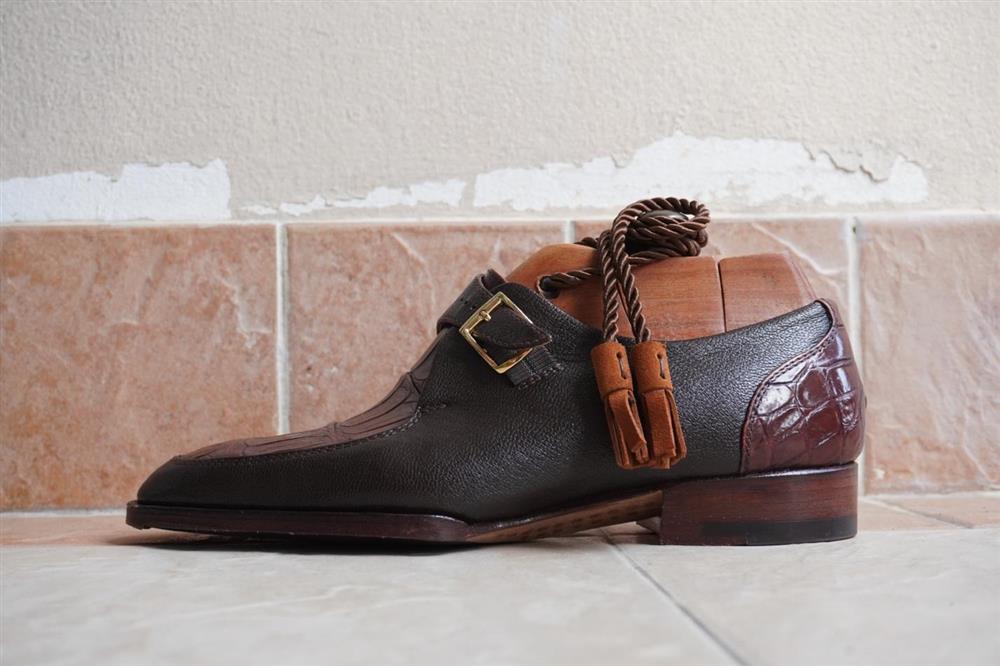
Craftsmanship Details
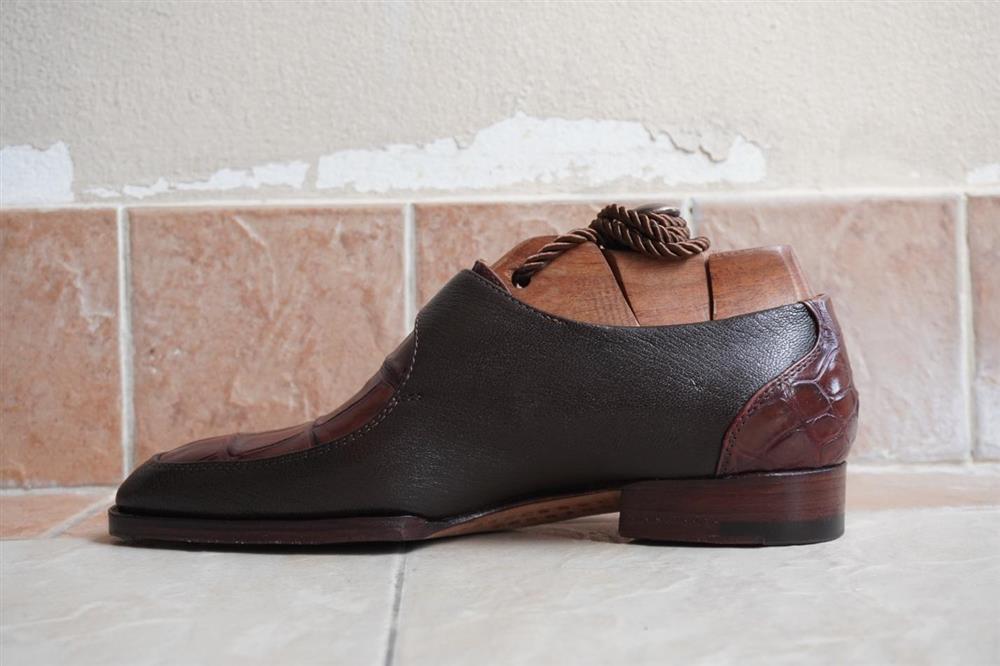
Slim waist, moderate instep, straight heel
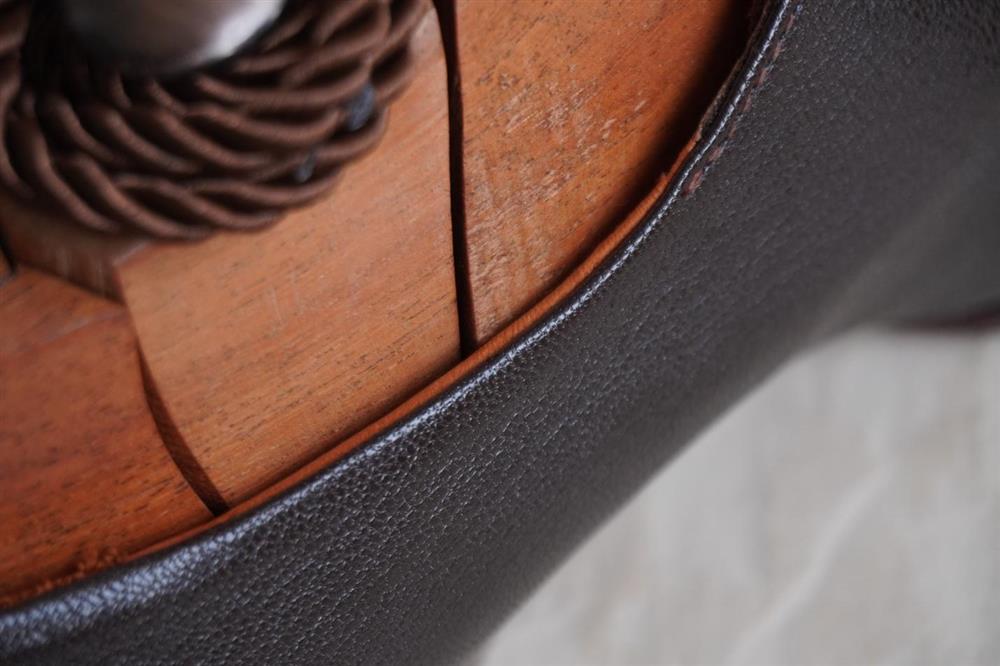
French seam top line with no visible stitching
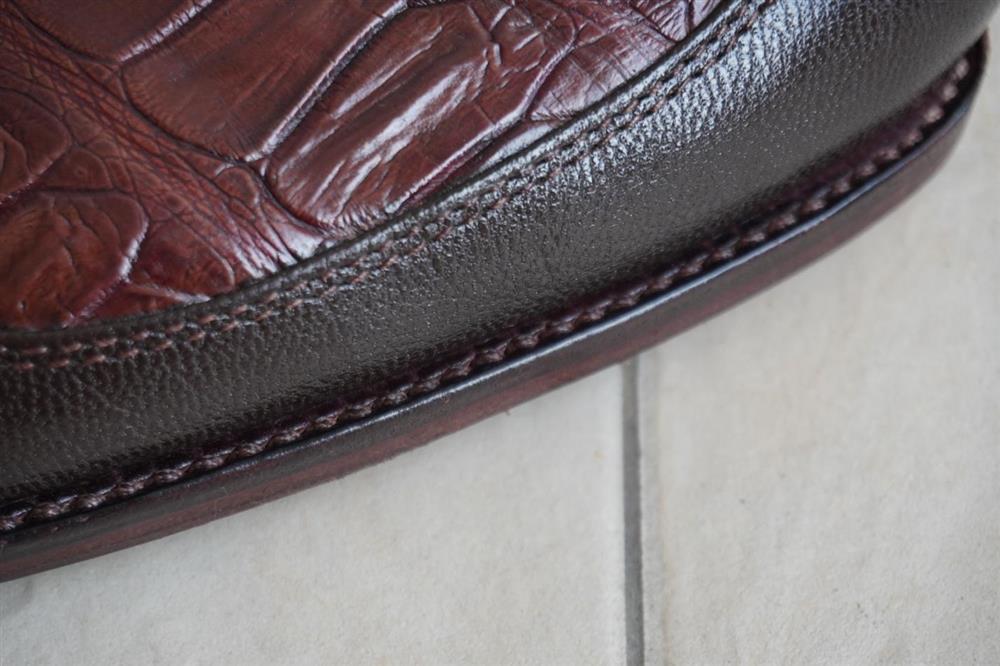
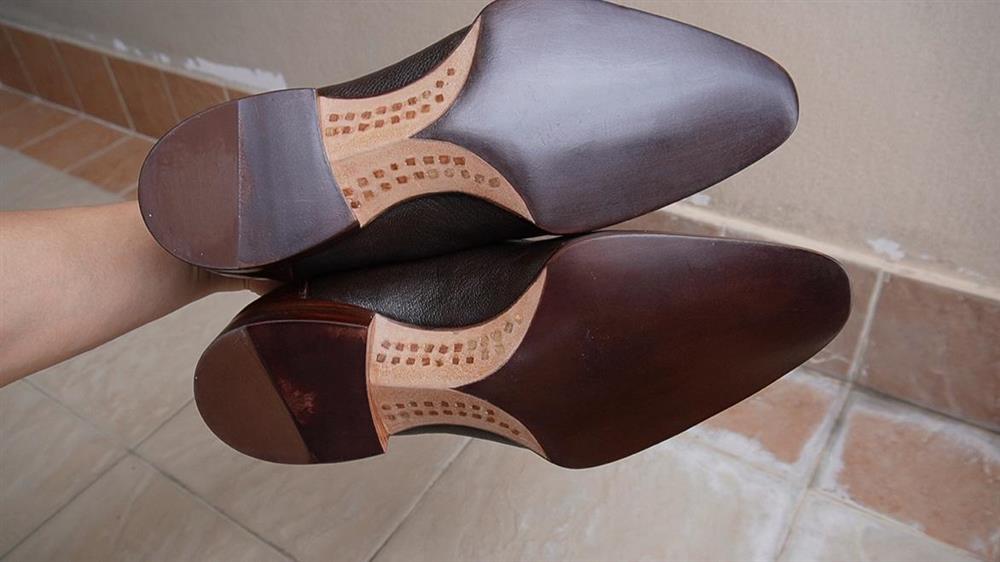
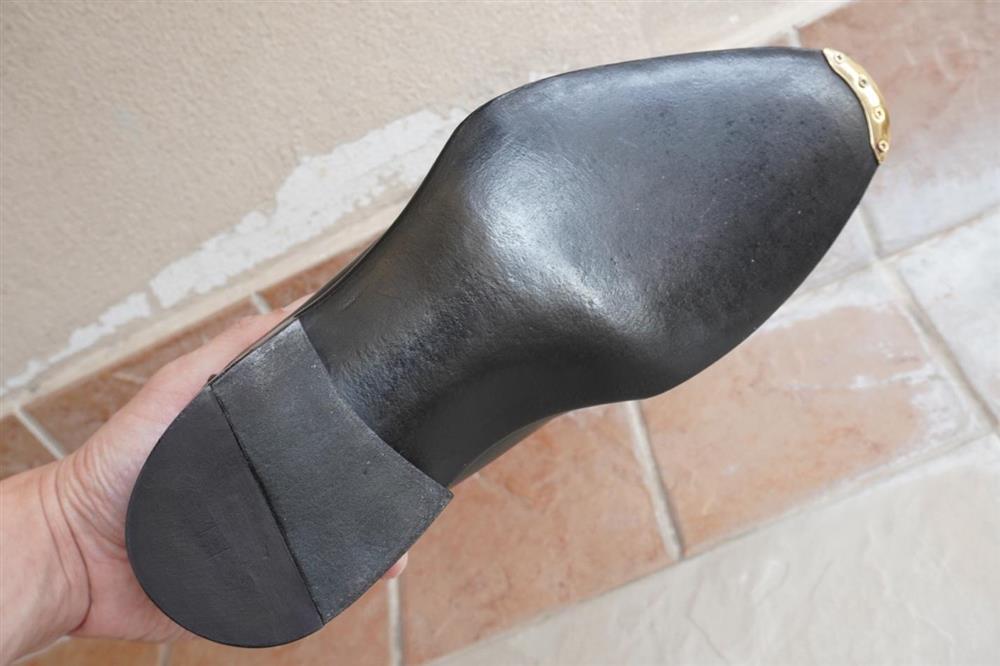
Hand-welted construction with hand-stitched outsole
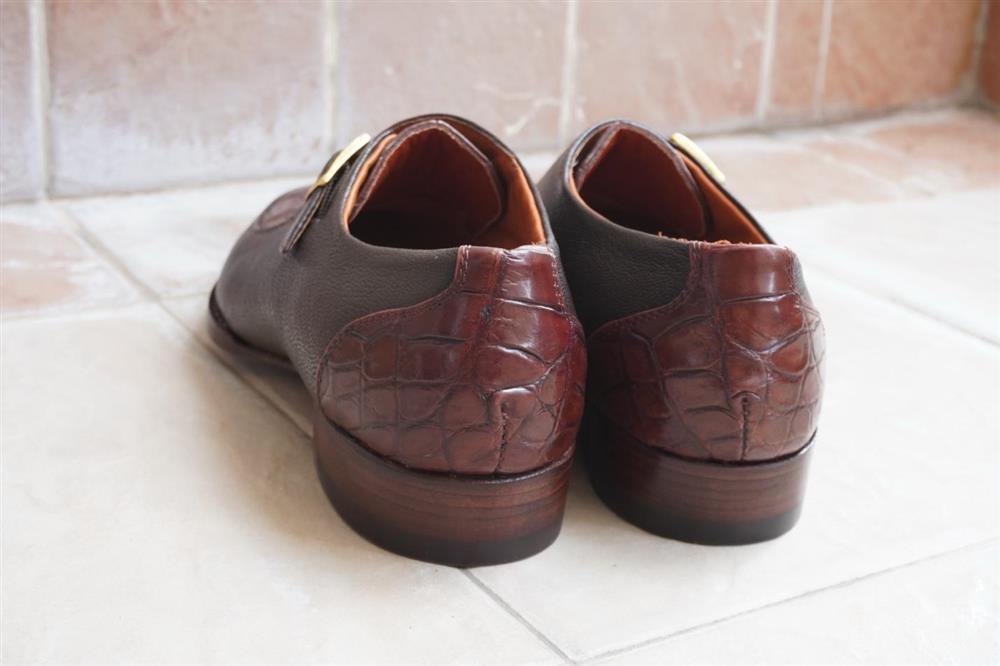
Vegetable-tanned leather toe puff and heel counter
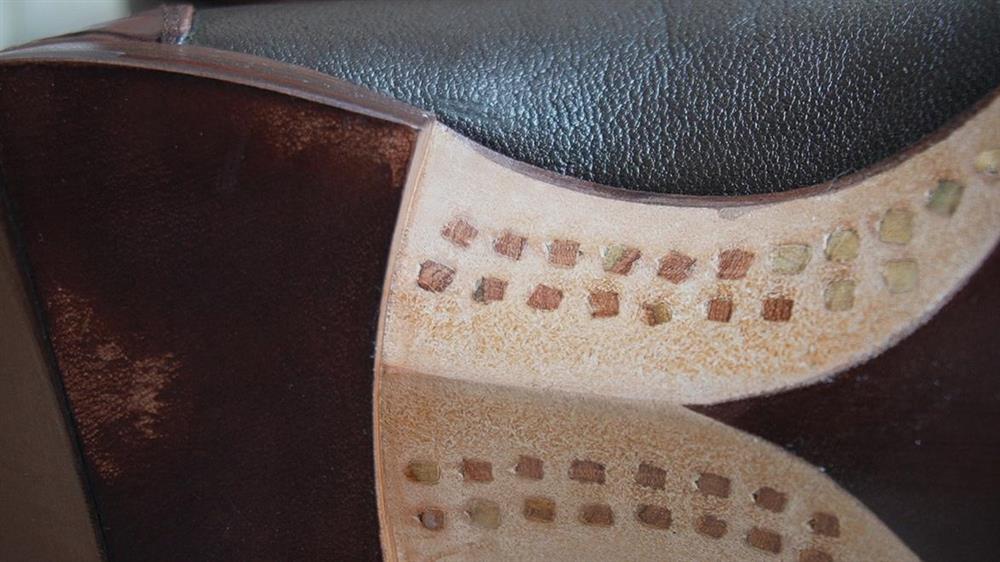
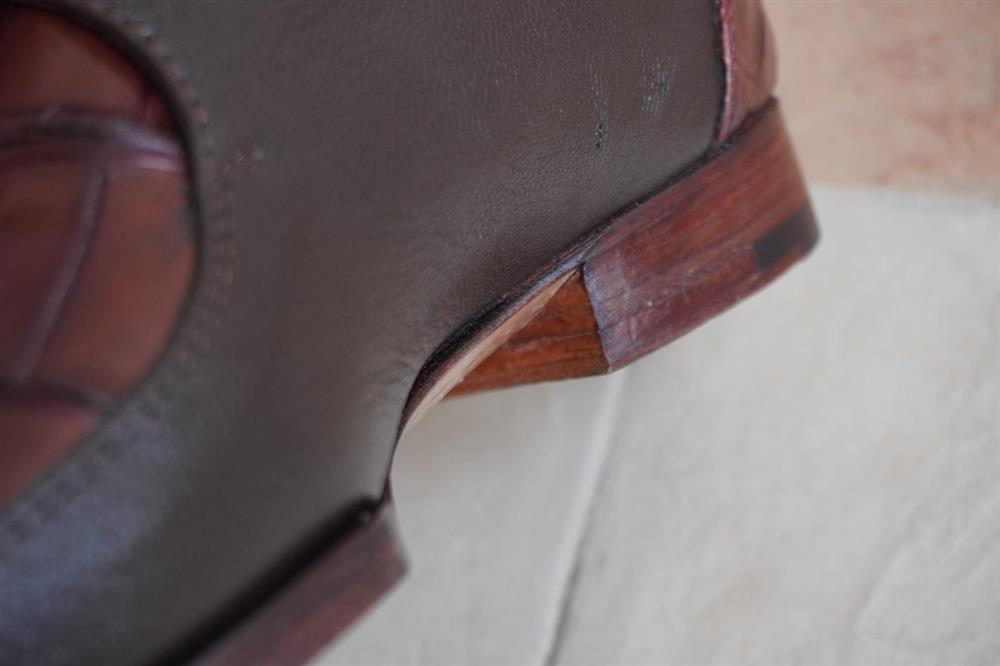
Pegged waist with wooden pegs for durability and slimness.
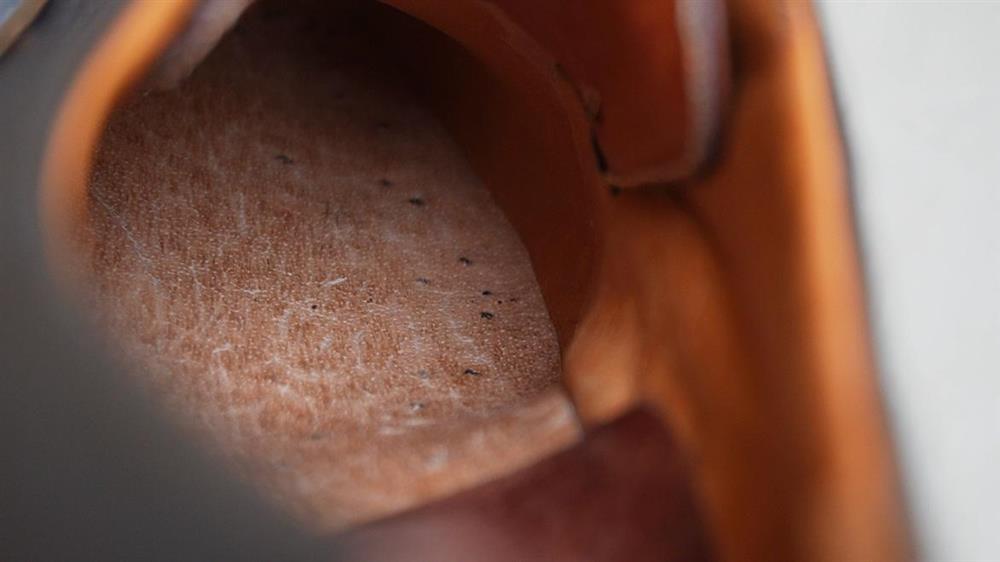
Excellent arch support—the best I’ve ever experienced in leather shoes
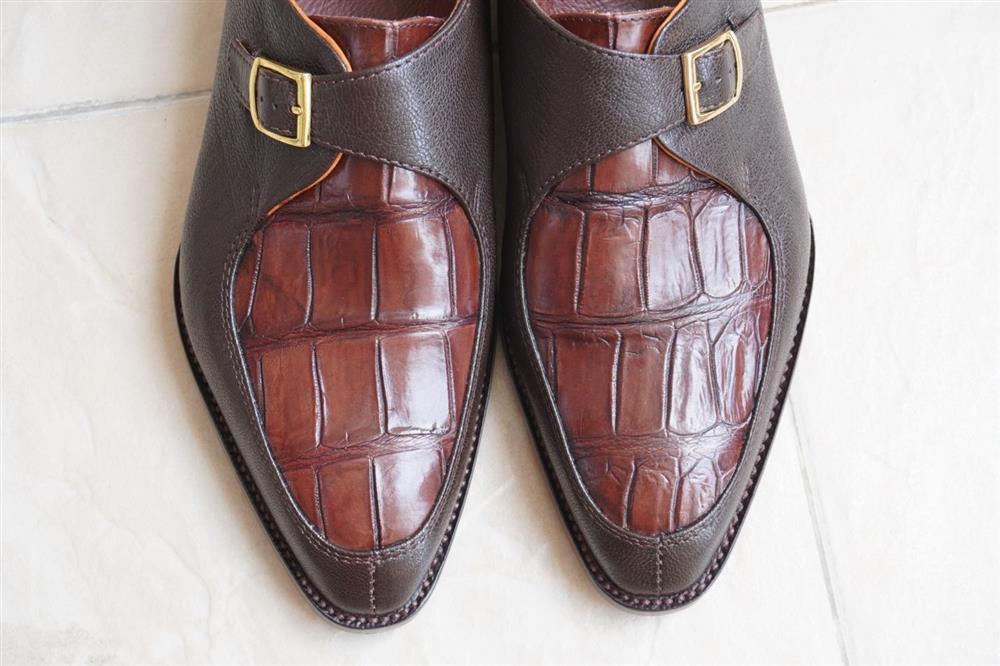
The crocodile scale placement was carefully balanced to align with natural flex points, minimizing visible creasing.
On Foot & Styling
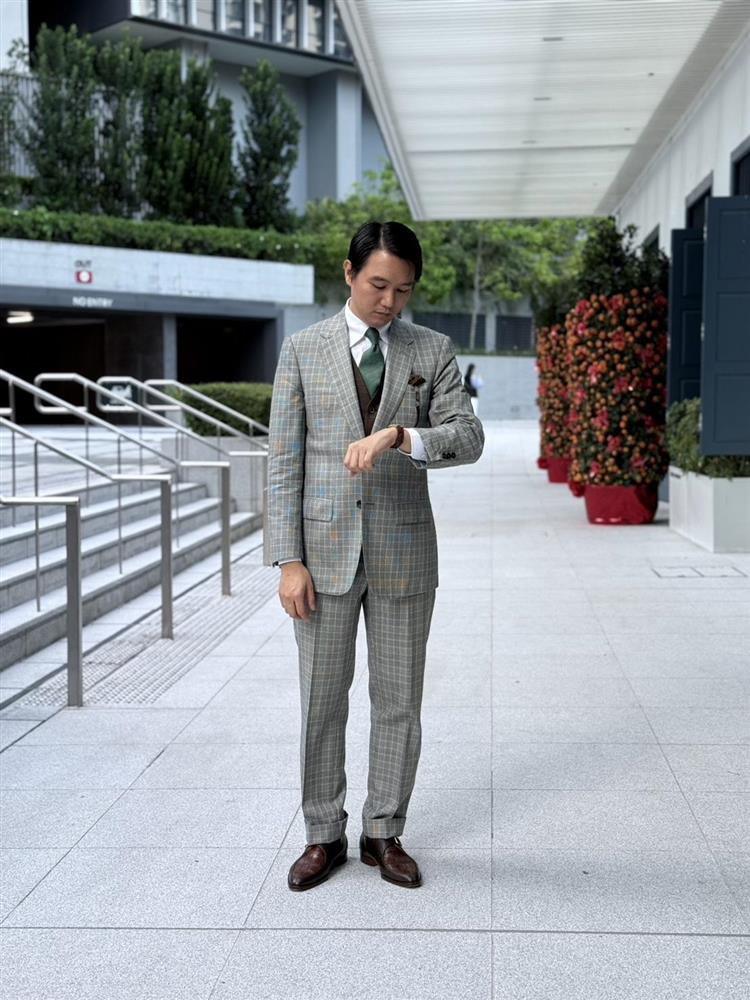
The shoes proved exceptionally comfortable, even after wearing them for two consecutive 16-hour days at the Singapore Super Trunk Show 2026. No hot spots, no fatigue.
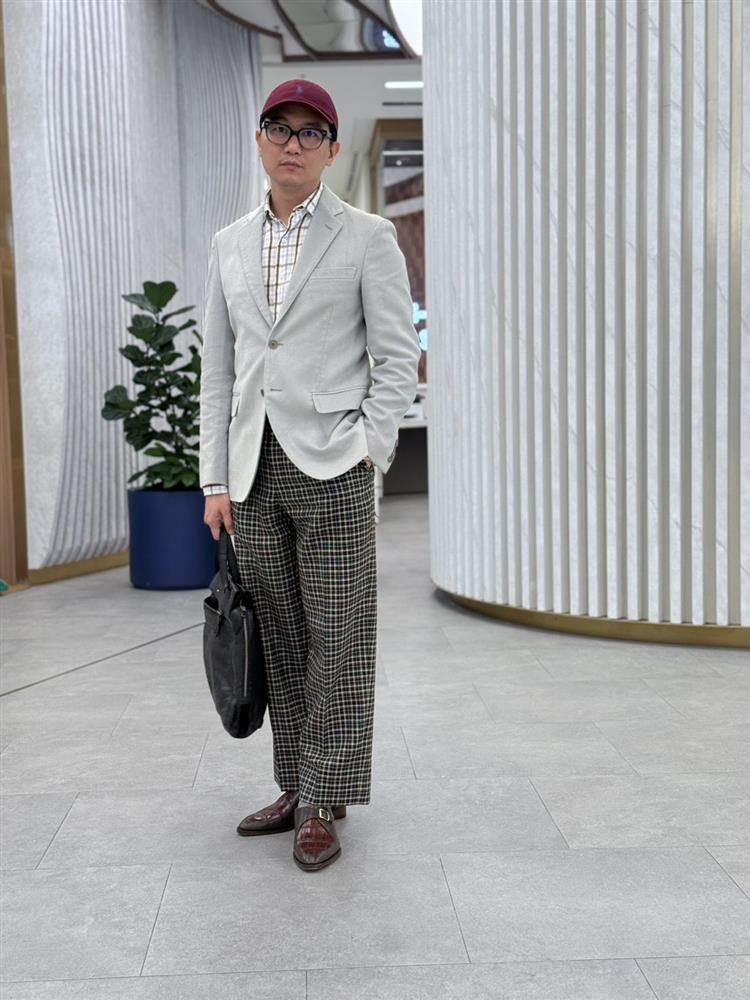
Though dressy due to the chisel toe and slim waist, the monkstrap design, mixed leathers, and apron stitching make them versatile for semi-formal and business-casual wear.
Pricing & Value
Bespoke shoes typically start at 70,000–80,000 THB and can reach half a million. Don’s Bespoke, however, is shockingly accessible:
25,000 THB – First pair with bespoke last
+5,000 THB – Trial shoes (optional)
+5,000 THB – Three-piece lasted shoe tree (highly recommended)
+15,000 THB – Crocodile leather (full pair)
For the price of mid-to-high-tier European shoes, you receive true bespoke footwear made on a one-of-a-kind last.
Final Thoughts
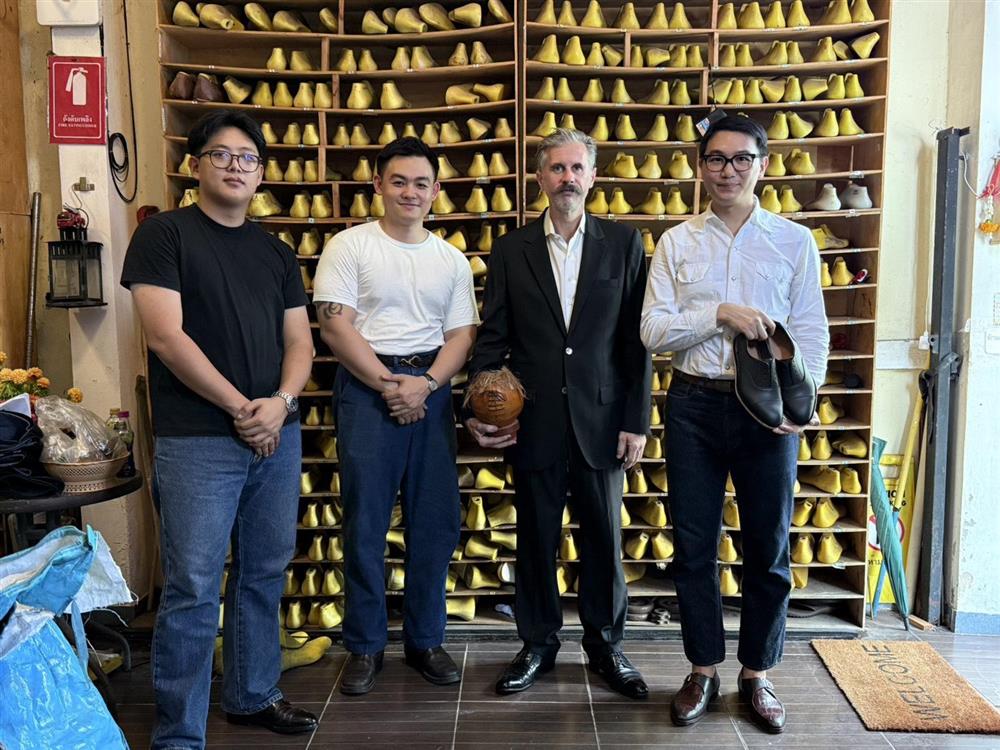
Allen’s shoes easily rival handmade shoes in the same price bracket in term of craftsmanship and quality, and they do so with plenty of characters, boldness wrapped in classical lines, crafted by a lastmaker with a distinct identity.
After making my bespoke last, I already know there will be another pair. I’m thinking black crocodile leather chukka boots with Norwegian braided construction.
It won’t be long now.
Contact Allen using your preferred messaging app. Scan the WhatsApp or LINE QR code below to get in touch.